
Conditions Hypnotherapy Can Support Alongside Medical Care
Medical hypnotherapy with Dr. Ann Marie — a medical doctor turned clinical hypnotherapist in Fort Lauderdale. Evidence-based care for the physical conditions your body has been trying to tell you about.Virtual sessions worldwide • In-person in Fort Lauderdale
What Hypnotherapy Can and Cannot Do
Let me be clear and honest up front, because it matters. Hypnotherapy for medical conditions is not a cure, and it is not magic. It cannot diagnose disease, replace your medication, or fix a problem that needs surgery or direct medical treatment.
What it can do is powerful in a different way. Working with the deep connection between your mind and body, hypnotherapy can ease symptoms, calm an over-active nervous system, reduce the stress that fuels so many physical conditions, and change your relationship with what you’re living through — less fear, less suffering, more life. It works best not instead of your medical care, but beside it.

How It Works Alongside Medical Care
Your emotions are not separate from your body. Stress, fear, and unprocessed experiences move through the nervous system and show up physically — in pain, digestion, sleep, blood pressure, and more. Your doctors treat the physical condition. Hypnotherapy works on the layer underneath: the subconscious patterns and nervous-system responses that can keep symptoms locked in place.
Because I am both a Medical Doctor and a certified hypnotherapist, I sit naturally at that meeting point. I understand what your physicians are treating and why, and I add a complementary layer that supports it. Hypnotherapy is always a complement to your medical care, never a substitute for it — and I’ll always tell you when something belongs with your doctor first.
The Conditions I Work With
Below are the health-related areas where hypnotherapy can support you alongside your medical care. Each has its own page explaining exactly how the work applies:
Chronic Pain
When pain outlasts the injury
Depression Support
To go beyond medications
Insomnia or Sleep Disturbances
Rest your mind rest your body
Specific Phobias
Fears that limit your life
Irritable Bowel Syndrome
Gut Directed Hypnotherapy
Anxiety & Panic
When a racing mind runs the day
What the Research Shows
Clinical hypnosis is far more evidence-based than most people realize, though the strength of the research varies by condition. It is strongest where it has been studied most. For irritable bowel syndrome, the American College of Gastroenterology recommends gut-directed hypnotherapy for global symptoms. For chronic pain, pain-medicine meta-analyses show meaningful, measurable reductions in pain intensity.
There is also good evidence for hypnosis in easing anxiety before medical procedures and in reducing menopausal hot flashes, with supportive and emerging evidence in areas like insomnia and stress-related symptoms. I’ll never overstate what the science says. Where the evidence is strong, I’ll tell you; where it’s promising but still growing, I’ll tell you that too.

Who This Is Not Right For
Honesty builds trust, so here is who I’m not the right fit for. Hypnotherapy isn’t for you if you’re looking for something to replace medical treatment rather than work alongside it. It isn’t the place to start if you have symptoms that haven’t yet been evaluated by a physician — please get those checked first, and I’ll gladly work with you afterward.
It also asks for your participation; if you’re not able or willing to engage with the process, it won’t help. And for a small number of conditions — such as active psychosis — hypnotherapy is not appropriate, and I will say so directly. If you’re ever in crisis or your symptoms are severe, please seek immediate medical care.
What Does a Session Look like?
We begin with a free consultation call to make sure we’re a good fit and that hypnotherapy is right for what you’re facing. Your first full session runs about two hours, because one hour is never enough to go deep — and time passes quickly once we begin.
A session moves through gentle guided relaxation into a focused, deeply relaxed state, where we work with the subconscious patterns beneath your symptoms. You remain fully aware and in control the entire time — “all hypnosis is self-hypnosis.” Sessions are available virtually or in person in Fort Lauderdale, and I’ll often teach you a simple self-hypnosis technique to use at home. You can see a full walk-through on my session experience page.

1
Consultation & goals, getting clear about the desired goals and readiness for change
2
I show you the map on how we will get to your desired goal – through education, openness and confidence

3
You then settle into a relaxed yet focused state that is similar to right before you fall asleep

4
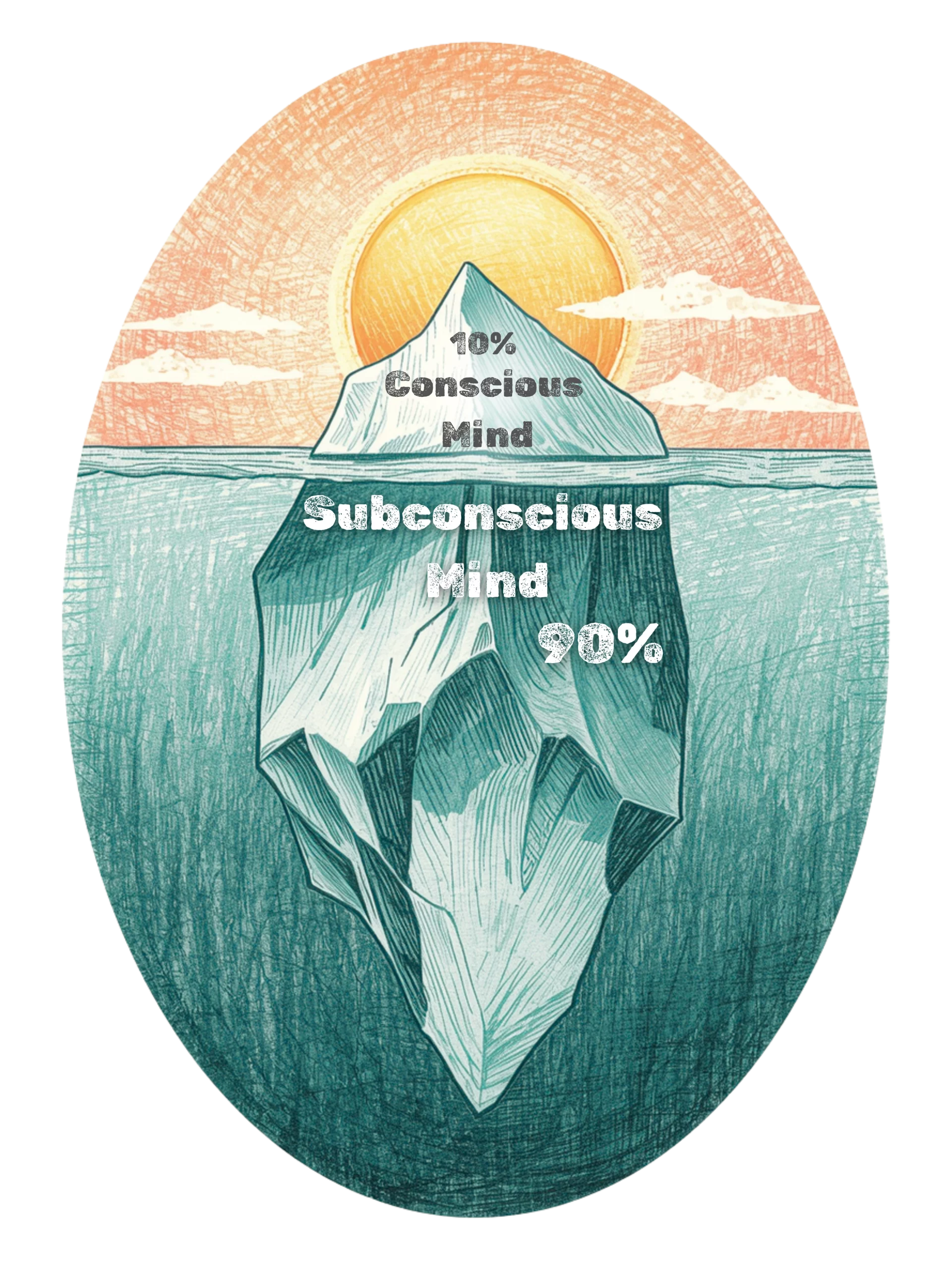
We work directly with the subconscious, unscripted and tailored to you, not read from a generic template
Why my medical background matters here
I went to medical school because I believed medicine would have the answers. For many things, it does. For others, I watched it fall short — not because doctors didn’t care, but because the tools we were given couldn’t reach the layers where so much suffering lives.
My MD background means I understand what your symptoms might be telling you. I know when hypnotherapy is appropriate and when something else needs to happen first. I know the medical system from the inside, and I’ll never ask you to abandon care that’s helping you.
Ready to see if this is right for you?
Book a free phone consultation. No commitment, no pressure – just a conversation about what you’re going through and weather this approach can help.

FAQs on Hypnotherapy for Medical or Health Related Issues
Is medical Hypnotherapy the same as stage hypnosis?
No. They share a name and almost nothing else. Stage hypnosis is entertainment — it relies on performance, social pressure, and highly suggestible volunteers who want to participate in a show. Medical hypnotherapy is a clinical process used to help people manage specific physical and emotional conditions. You stay fully aware, fully in control, and you can end the session at any moment. The only thing the two have in common is the word “hypnosis.”
Will I lose control or be "put under"?
No. This is the most common misconception, and it’s worth saying clearly: you cannot be hypnotized against your will, and you cannot be made to do anything that conflicts with your values. Hypnosis is a state of focused attention and deep relaxation — closer to the feeling of being absorbed in a good book or movie than to sleep or unconsciousness. You hear everything. You remember everything. You’re in charge the entire time.
Will hypnotherapy replace my medications or my doctor?
No, and I wouldn’t want it to. Medical hypnotherapy is complementary — it works alongside your existing medical care, not instead of it. I’ll never ask you to stop taking prescribed medications or leave your doctor. What this work often does is help you get more out of your current care, reduce symptoms that medication alone hasn’t fully addressed, and in some cases, work with your doctor to gradually reduce medications as your body responds. Any changes to your medication should always be made in partnership with your prescribing physician.
What's the difference between you and other hypnotherapist?
A few things. First, I’m a medical doctor. That means I understand your conditions from both sides — the clinical reality of what you’re dealing with, and the subconscious patterns that may be driving or maintaining it. I can speak to the gut-brain axis, central pain sensitization, the hormonal mechanics of menopause, and how medications interact with your nervous system — because I trained in all of it. Second, I came to this work after being a patient of it myself. I know what it’s like to sit in a doctor’s office feeling like no one has an answer. Third, I work slowly and carefully. This isn’t a mass-market quick fix — it’s a relationship, and I only work with people I genuinely believe I can help.
What Could I expect on a Phone Consultation?
During your initial consultation, we’ll discuss your specific confidence and self-esteem challenges. What situations trigger your self-doubt? What would change in your life if you had unshakeable confidence? What beliefs about yourself do you want to transform?
I’ll explain how hypnotherapy works, what you can expect during sessions, and answer any questions or concerns you might have. Many people worry they won’t be able to “be hypnotized,” but the truth is, if you’re willing and open, you can benefit from hypnotherapy. Hypnosis is a natural state that everyone experiences—it’s simply that focused, absorbed state you enter when watching a movie or driving on familiar roads.
Does it work for everyone?
Honestly, no — and I’ll always be upfront about that. The research shows that most people benefit significantly, but results vary depending on the condition, your willingness to engage with the process, and how your nervous system responds. Some people feel meaningful shifts after the first session. Others need several sessions before the changes become noticeable. During our free phone consultation, I’ll give you my honest assessment of whether I think this approach is a good fit for what you’re dealing with.
How many session will I need?
It depends on what you’re working with. For some conditions like specific phobias or procedure prep, one to three sessions can be enough. For IBS, the research protocols typically involve 7–12 sessions. For chronic pain or longer-standing patterns, it often takes somewhere in between. I’ll give you a realistic estimate after our consultation, and we’ll reassess as we go — I never ask people to commit to more sessions than they actually need.
Can we do sessions virtually?
Yes. Virtual sessions work just as well as in-person for most conditions — the research on telehealth hypnotherapy shows comparable outcomes. Virtual sessions are available worldwide. If you’re in the Fort Lauderdale area and prefer in-person, that option is available too.