
Hypnotherapy For Chronic Pain
Schedule Phone ConsultationChronic pain is often kept alive by a nervous system that keeps sounding the alarm long after the injury has healed. Hypnotherapy works on how your brain produces and amplifies pain — calming that alarm and easing the pain’s grip on your life. In my Fort Lauderdale practice I offer it alongside your medical pain care.
When pain never really leaves, it stops being a symptom and becomes your whole world — reshaping your sleep, your mood, your work, and what you say yes to. As both a Medical Doctor and a certified hypnotherapist, I offer hypnotherapy for chronic pain in Fort Lauderdale as one of the most evidence-based tools in mind-body pain management. Chronic pain is one of several conditions hypnotherapy can support alongside your medical care. If you’ve done the scans, tried the treatments, and still hurt, you can book a free consultation anytime.
Pain That Has Outlived Its Cause
Pain is supposed to be a messenger: it warns you of damage, then is meant to fade once the signal is received and the adjustments are made. But Chronic pain is different. It lingers for months or years — often long after the original injury has healed, and sometimes with no clear damage that needs any adjustment.
That doesn’t mean the pain isn’t real. It absolutely is. It means the problem has shifted from the tissue where it started to the nervous system that carries and interprets that message. So many people arrive in my practice worn down — not only by pain, but by being quietly made to feel it’s imagined because “the tests look fine.” Well, iI need to valid that it isn’t imagined. It’s being generated differently than a fresh injury pain, which is exactly why it needs a different kind of help is needed.
Pain Is Made in the Brain, Not Just the Body
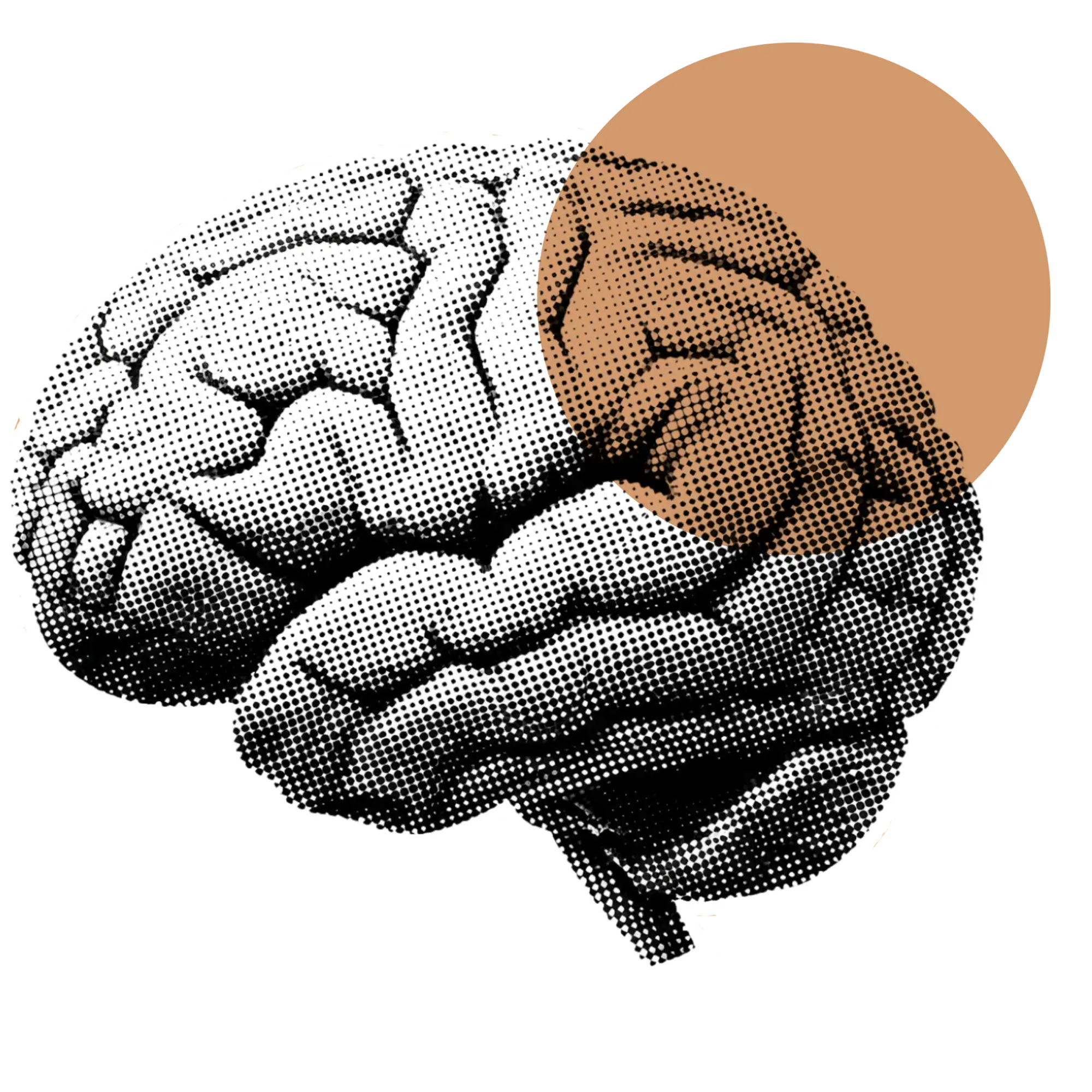
Here is the idea that changes everything about pain management, and it sits at the center of how I work: pain is not produced in your back or your knee. It is produced by your brain, using signals sent from the body. Pain is never simply a sensation arriving from an injured area — it is your brain’s interpretation of that signal, shaped by context, memory, and meaning.
That’s not a way of saying your pain is “in your head.” It’s a description of how pain actually works in every human being. And it carries real hope: if the brain is where pain is assembled, then the brain is also where it can be turned down. That is the doorway hypnotherapy walks through to help with chroinc pain.
How the Brain Amplifies Pain Signals
In chronic pain, the nervous system can become sensitized — it turns up the volume, so ordinary signals get read as pain and real pain is amplified far beyond what the tissue warrants. Think of a smoke alarm so sensitive it shrieks at a little steam from the shower. The alarm works; it’s just miscalibrated.
The meaning we attach to pain feeds this directly. When a new ache makes you think, “something is seriously wrong,” the fear itself cranks the volume higher. Stress, poor sleep, and the sheer exhaustion of hurting for years all raise the sensitivity — which is why pain continues to get worse even if you are doing all the right things to alleviate it.
What the Brain-Imaging Research Shows
This isn’t guesswork — we can actually see it on brain scans. Functional MRI research shows that during hypnosis a part of the brain called the salience network becomes less active. That salience network includes an area that is like the brain’s alarm center, the part that fires when you hear a sound you think might be a threat.
Turning down that alarm is, in my view, the heart of how hypnosis eases chronic pain. The sensation may still be there, but the brain stops slamming the panic button on top of it — so there’s less suffering wrapped around the hurt.
So What Does Hypnotherapy Change — and What Does It Not Change?

In a focused, deeply relaxed state, your nervous system becomes more open to new instructions. Think of it like going back to having a child’s mind that doesn’t have all those racing thoughts up there. Children especially before the age of 5 are in the perfect hypnotic state and there brain, mind, and perecetions of the world are very flexible to change. So we quiet analytic thoughts and get into a state that feels like you are falling asleep.
I guide you into this more calm quite and focused state that anyone can get into. We then learn to amplify and then calm the pain while in that state. Now it may be suprrising that I say amplify but if you can bring it up then you can bring it down. This is an example of one technique that loosens the grip pain naturally has on attention and your body.
Let me be equally honest about what it does not do. Hypnotherapy is not a cure and not magic. It won’t repair a structural problem that needs surgery, and it is complementary to your medical care, never a substitute for it. What it reliably offers is real relief in pain intensity and — just as importantly — a changed relationship with pain itself: less fear, less suffering, more life. You can read more about my approach on my hypnotherapy services page.
The Kinds of Pain It Can Help
Hypnotherapy for Chronic Pain Managment is not tied to one region of the body, because it works on how the brain processes signals wherever they start.
Hypnotherapy consistently reduces pain across a wide range of chronic conditions, including.
Results may vary from person to person, which is exactly what your free consultation is for, to see how and if this can help you.
- Low-back pain
- Arthritis and joint pain
- Fibromyalgia and widespread pain
- Neuropathic (nerve) pain
- Temporomandibular (jaw/TMJ) pain
- Cancer-related pain
- Headaches and migraines
- Pain from physical disability and mixed causes
What Does A Session for Pain Management Look Like - Step by Step
Your first appointment begins with a 40-minute consultation — a real conversation about your pain history, your diagnoses, your current treatment, and what a better day would actually look like. Because I’m an MD, I also make sure the medical side is properly in place first.
A session then moves through a gentle induction (guided relaxation) into that focused state, followed by pain-focused imagery. Sessions are available virtually or in person in Fort Lauderdale. See a full walk-through on my session experience page.

1
Consultation & goals, getting clear about the desired goals and readiness for change
2
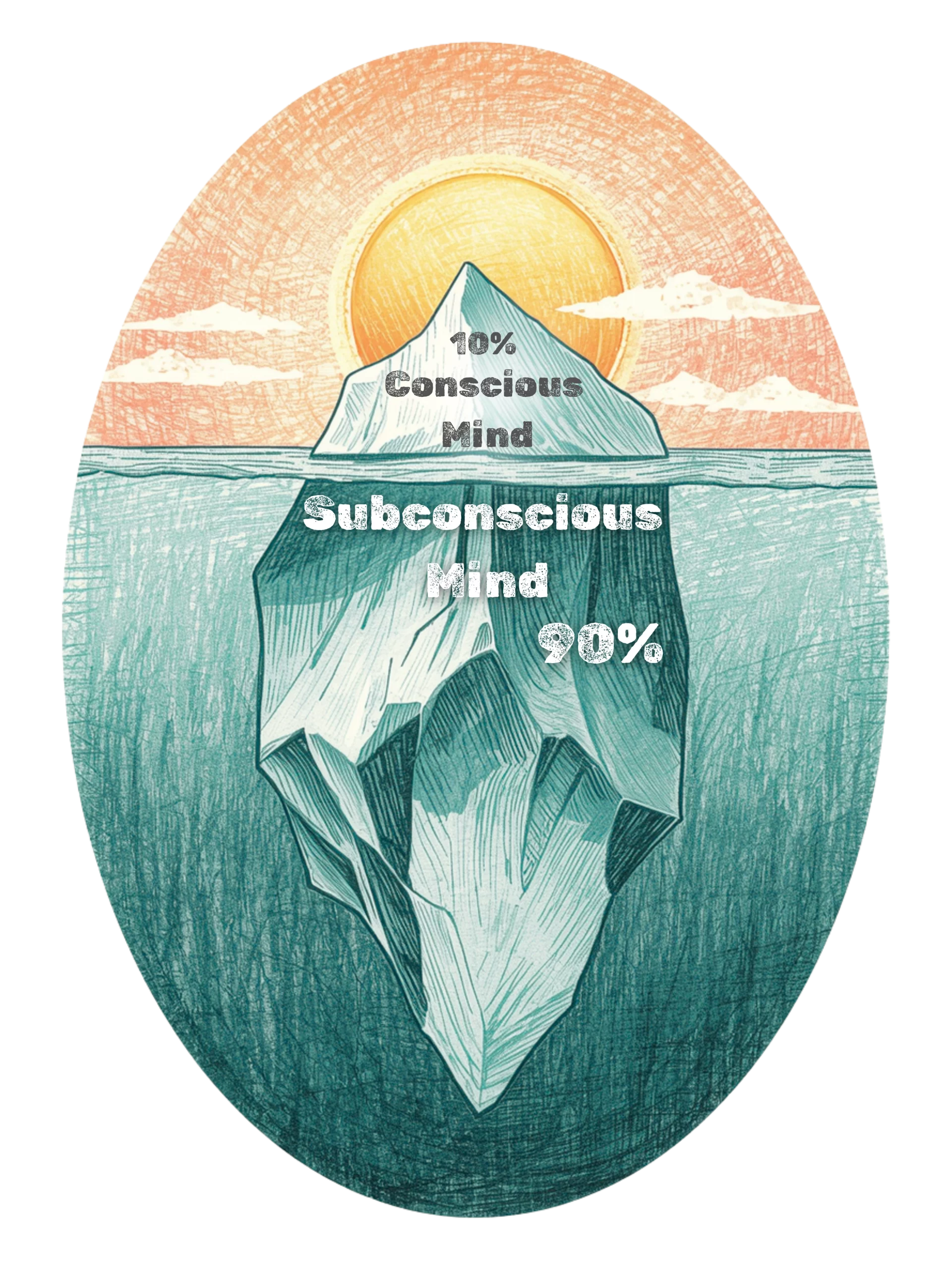
I show you the map of your mind and the plan to live more pain free.

3
You then settle into a relaxed yet focused state, hypnosis, that is similar to right before you fall asleep.

4
We work directly with the subconscious, unscripted and tailored to you, not read from a generic template.
Working Alongside You Pain Care
Hypnotherapy belongs beside your medical care, not instead of it. Please keep your pain specialist, your medications, and your physical therapy, and talk with your physician about adding hypnotherapy — especially if your pain is new, changing, or hasn’t been evaluated. Never adjust medication except in partnership with your prescriber. What I often see is that hypnotherapy helps people get more from the care they already have: calmer nervous systems respond better to physical therapy, sleep improves, stress-driven flares soften, and some people are able — with their doctor — to gradually rely less on medication as their symptoms ease. My job is to add a layer, and to know when something else needs to happen first.
Related Conditions I Support
Ready for Relief that reaches your life?
Ready to begin? Learn what a session looks like, or book a consultation with our hypnotherapist in Fort Lauderdale — virtual or in person.
Most Commonly Asked Questions for Chronic Pain Management
Will Hypnotherapy make my pain disapear?
Usually not entirely, and any honest practitioner will tell you so. Hypnotherapy for chronic pain typically reduces pain intensity and loosens its grip on your life, rather than erasing it totally. In pain-medicine meta-analyses, most people achieve meaningful, measurable relief. As a Medical Doctor, Dr. Balkanski gives you a realistic picture at your consultation. We want to reduce the pain in a way that allows you to fully function without it interfereing with your day.
Does it work for my fibromyalgia specifically?
Often, yes. Fibromyalgia is a condition of an over-sensitized nervous system — exactly what hypnotherapy targets. Controlled studies of hypnosis and guided imagery show reduced pain and distress in fibromyalgia. Results vary by person, so Dr. Balkanski will assess whether it is a good fit for your symptoms at your free consultation.
Is hypnosis just a placebo effect?
No. Brain-imaging research shows hypnosis measurably changes activity in the brain regions that process pain and threat — a real neurological shift, not just expectation. Controlled trials also find hypnosis outperforms attention and education. That said, a calm, hopeful mindset only helps the work along.
Will I be unconscious or lose control during a session?
No. You stay fully awake, aware, and in control the whole time — “all hypnosis is self-hypnosis.” Hypnosis is simply a state of focused attention, like becoming absorbed in a good movie. You cannot be made to do anything against your values, and you can end the state whenever you choose.
Can this be done online, or only in person in Fort Lauderdale?
Both. I offer secure virtual sessions as well as in-person appointments in Fort Lauderdale. Hypnotherapy translates well to video because the work is guided and internal — you simply need a quiet, comfortable space where you won’t be interrupted for the length of the session.
Can I use this with my current pain plan?
Yes. Hypnotherapy is complementary and works alongside your existing pain care — medications, physical therapy, injections, or your pain specialist. It never replaces them. Keep every part of your current plan, and make medication changes only with your prescribing physician. Many people find hypnotherapy helps them get more from the care they already have.
How many sessions will I need?
It depends on the specific pain issue you are dealing with and the things you have already tried. Most people gain clarity from 1 session but the effects compound over each session. Because of this it is typically recommended to see any results to do at least 3 to 5 sessions. Techniques are shared for you to carry with you even after the one on one work is done. Together, we’ll tailor a plan that fits your needs after your first session, during which we are able to see what you as an individual need.
What if I never done hypnosis or meditated can it work?
Yes, absolutely. You do not need any prior experience. While some clients with past experience do return or seek out for mabe different means, it is by no means a requirement.
Even if you have used at-home or self-hypnosis audios, those are very different from one-on-one sessions where someone is directly responding to your cues and what you are saying. A one-on-one session is tailored specifically to you and yields superior results because of that direct engagement.
No prior experince is nessesary and if you are concerned that it may not work for you please get on a consult call and those concerns can be discussed and evaluated properly.
Does it work for nerve (neuropathic) pain, or only muscle pain?
Both. Controlled-trial reviews include benefit for neuropathic and musculoskeletal pain, as well as arthritis, low-back pain, TMJ, and mixed causes. Because hypnotherapy works on how the brain processes pain signals — wherever they originate — it isn’t limited to one type. Results vary by person and by how the nervous system is involved.
Could hypnotherapy help me rely less on pain medication?
Sometimes — and only ever in partnership with your prescriber. As pain eases, some people are able, with their doctor, to gradually reduce medication. Never adjust doses on your own. My role is to add a calming layer; any change to medication is a decision for you and your prescribing physician.