
Hypnotherapy as Support Alongside Depression Treatment
Schedule Phone ConsultationHypnotherapy can be a gentle, supportive complement to depression treatment — helping ease the patterns of low mood, sleep, and self-criticism that keep it going. It is never a replacement for your antidepressant, your therapist, or your psychiatrist. In my Fort Lauderdale practice I offer it strictly alongside your existing care to speed up if not compound some of the other forms of care.
If you’re living with depression and looking for something to support the treatment you’re already in, you’re in a thoughtful place. As both a Medical Doctor and a certified hypnotherapist, I offer hypnotherapy for depression in Fort Lauderdale as one supportive layer — always alongside your prescriber and therapist, never in place of them. Low mood is one of several conditions hypnotherapy can support alongside your medical care. If that fits what you’re looking for, you can book a free consultation to talk it through.
What This Page Is and Is Not
Let me be very clear from the start, because it matters more here than anywhere. This page is not offering hypnotherapy as a treatment for depression, and I am not suggesting it replace anything you’re already doing. Depression is a serious medical condition, and it deserves real medical and psychological care — medication where appropriate, therapy, and the ongoing support of professionals who knows your history.
What this page is: an honest description of how hypnotherapy can gently support that care. Think of it as one helpful layer added on top of a solid foundation that can only speed things up.
How Low Mood Settles Into a Pattern

Depression has a way of becoming self-reinforcing. Low energy makes activity harder, withdrawal deepens the low mood, sleep and appetite shift, and a harsh inner voice starts narrating everything through a darker lens. Over time these responses can settle into a groove the mind runs automatically.
None of that is a character flaw or a failure of willpower — it’s how the condition works. And because so much of it runs on autopilot, beneath conscious effort, it’s often hard to think your way out of, no matter how much you understand about it. That deeper, more automatic level is where supportive hypnotherapy can gently help loosen the pattern.
Hypnotherapy as Support & Not Definitive Treatment
Used as a complement, hypnotherapy works with the subconscious patterns that sit underneath low mood — softening the relentless self-criticism, supporting better sleep, and helping reconnect you with a calmer, more resourced sense of yourself. Many people find it an exciting change and even a unique approach especially if all other modalities have been ehausted.
And the research is promising but still developing, and I’ll always be honest about that. A named meta-analysis of hypnotic interventions for depression found effects comparable to well-established psychological therapies — while researchers rightly agree that stronger evidence is still needed. That mixed picture is exactly why I offer hypnotherapy here as support, not as a standalone treatment. You can read more about my approach on my hypnotherapy services page.


Working Alongside Your Prescriber or Therapist
This only works well as part of a team. Please keep your antidepressant, your therapy, and every appointment — and never stop or change medication on your own, as that can be genuinely dangerous. Any change is a decision for you and your prescribing doctor.
Because I’m a Medical Doctor, I’m comfortable coordinating with your psychiatrist or therapist, with your permission, so hypnotherapy fits neatly alongside your treatment plan. Please talk with your prescriber about adding it. My role is to support the work they’re leading, and to always point you back toward professional care when that’s what’s needed.
When to Seek Immediate Help
-
- Call or text 988 — the Suicide and Crisis Lifeline (US), available 24/7.
- Call 911 or go to your nearest emergency room in an emergency.
- Contact your psychiatrist, therapist, or doctor if your depression is deepening.Hypnotherapy is not a crisis service, and it’s important you know where to turn if things become urgent. Please reach out for immediate help if you’re having thoughts of harming yourself, feel unable to stay safe, or your symptoms suddenly worsen.
There’s no shame in reaching for urgent help — it’s a strong and caring thing to do for yourself.
Related conditions I work with
What would a session look like?

1
Consultation & goals, getting clear about the desired goals and readiness for change
2
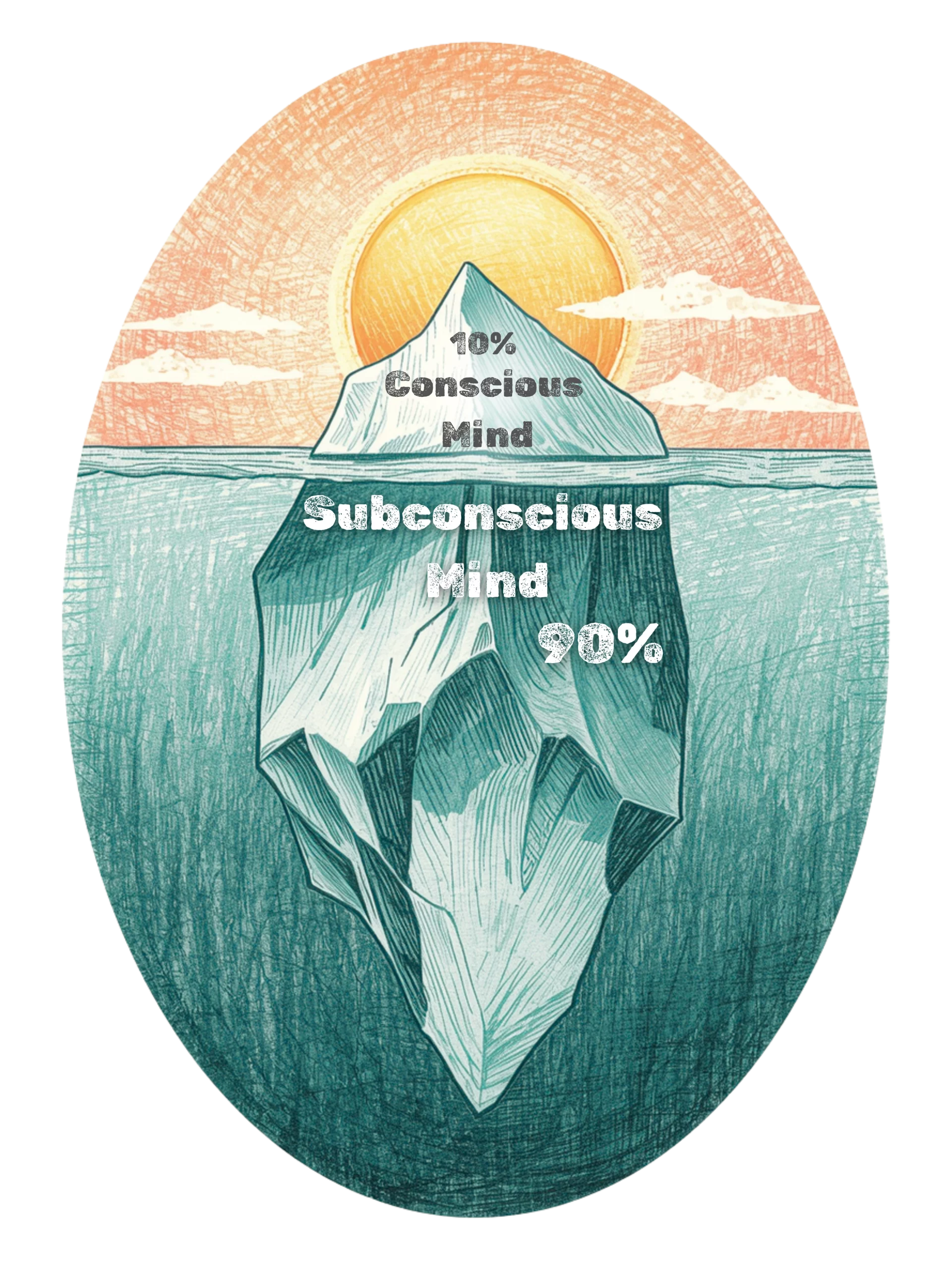
I show you the map of your mind and the plan to get you to go to your goals and have more clarity about what is going on.

3
You then settle into a relaxed yet focused state, hypnosis, that is similar to right before you fall asleep.

4
We work directly with the subconscious, unscripted and tailored to you, not read from a generic template. We identify the barrier to feeling more calm & confident.

Closing & Integration
At the end of a session you are fully alert and will remember the session, sometimes the details fade over time like a dream does but the main concepts discussed create notable changes that are felt. You Leave the session with more awareness, more understanding, and more control on what to do next.
For a fuller breakdown, read the complete session walkthrough.
Looking for supportive care alongside your treatment?
Ready to begin? Learn what a session looks like, or book aconsultation with our hypnotherapist in Fort Lauderdale — virtual or in person.
Most Commonly Asked for Depression Support
Can hypnotherapy replace my antidepressant?
No. Hypnotherapy is a supportive complement, never a replacement for antidepressants or therapy. Never stop or change your medication on your own — that can be dangerous. Any change is a decision for you and your prescribing doctor. As a Medical Doctor, Dr. Balkanski will always reinforce staying in your existing treatment.
What if I am in crisis?
Hypnotherapy is not a crisis service. If you’re having thoughts of harming yourself or feel unable to stay safe, please reach out now: in the US, call or text 988 for the Suicide and Crisis Lifeline, or call 911 or go to your nearest emergency room. You deserve immediate support, and it is available.
Should I tell my psychiatrist?
Yes, please do. Keeping your psychiatrist or therapist informed helps everyone work together for you. As a Medical Doctor, Dr. Balkanski welcomes coordinating with your mental-health team, with your permission, so hypnotherapy fits alongside your treatment plan rather than working in isolation. Your prescriber and therapist lead your care.
Will I lose control or be “out of it” during hypnosis?
Not at all. You remain fully aware and in control. Hypnosis is a relaxed but focused state — similar to the “zone” athletes already experience when fully immersed in performance. You’ll hear everything and remember what happens.