

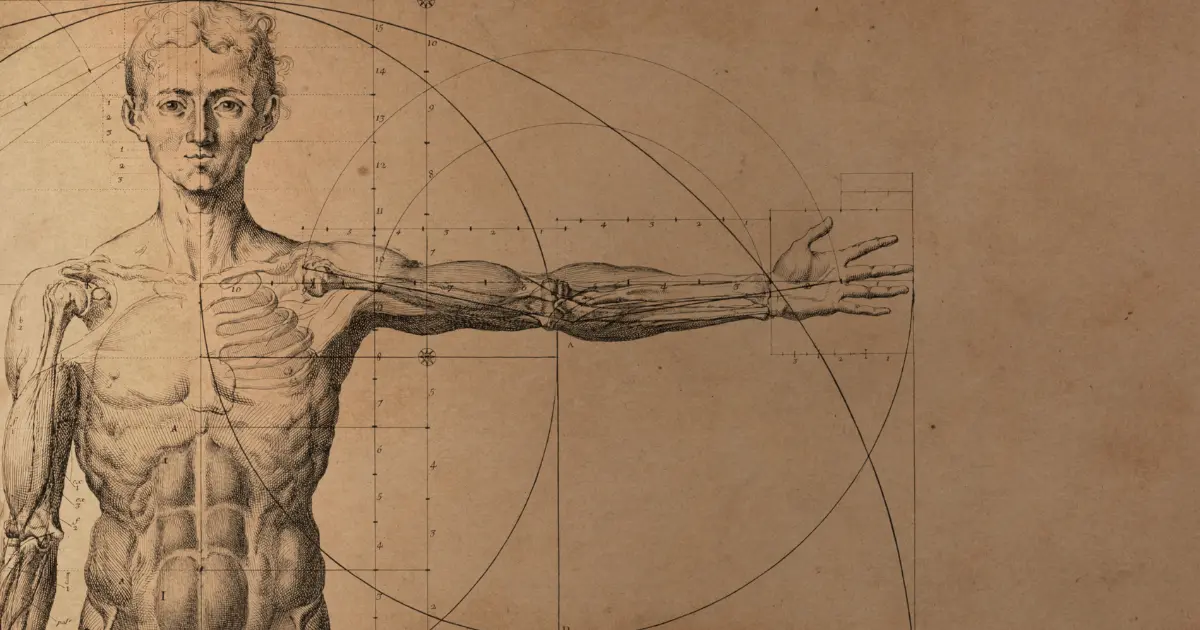

If your body feels tense all the time and you’ve exhausted all your options, it usually isn’t a muscle problem — it’s a nervous system stuck in a low-grade fight-or-flight state. That same overdrive can make emotions harder to regulate and leave your thinking foggy. Because the pattern is held below conscious control, calming the nervous system itself is the primary way to relieve it. But what led your nervous system to become so charged in the first place?
Tired of carrying tension you can’t seem to put down? Book a mind-body hypnotherapy consultation in Fort Lauderdale.
Your body feels tense all the time because your nervous system is holding a protective “on” switch that never fully clicks off. A system designed for short bursts of threat ends up running around the clock — keeping your muscles braced, your emotions close to the surface, and your mind harder to settle. This isn’t a sign that something is wrong with you, your body is actually reacting in exactly the way it was meant to in order to protect you. The answer is that that we just don’t fully understand what originally was driving the signal and where or when it started. But the good news is that what the nervous system learned, it can also unlearn, and we can find answers and that is where hypnotherapy can step in.

Now, I must clarify that there are many reasons that switch gets stuck — sometimes a chronic stress you never consciously registered, until the body finally has to scream to get your attention. So much of what we do runs on autopilot: the way we walk, the way we grip a pen. The body is trained by repetition, and the same is true of whether it feels safe enough to fully let go and get the true type of rest it absolutely needs before it burns out.
Another reason may not even be something that is present or logically of any danger. But when you’re rehearsing the future, replaying the past, or avoiding something that keeps circling in your mind, your nervous system still reacts as if the threat were happening right now. Evolution wired us this way: we once needed fight-or-flight to escape a bear or outrun a tiger. Today the “tiger” is the ring of a phone, a tense visit with a parent, or an unresolved experience you haven’t yet moved through — a threat that lives more in your head than in front of you, yet your nervous system answers it the same way “you’re not safe, stay on guard”.
Tension Is a Nervous System State, Not a Muscle Problem
In my work as both a Medical Doctor and a certified hypnotherapist, I meet so many people who’ve stretched, massaged, and foam-rolled the same tight shoulders for years — or carried an ache in their back that even steroid injections never fully relieved. That’s the clue. When tension keeps returning no matter what you do to the muscle, the muscle isn’t the source. The nervous system is. The real question is why the nervous system is firing this way in the first place.
Here’s what’s happening underneath. Under stress, your body shifts into fight-or-flight and braces itself, and muscles naturally tension as a reflex — the body’s way of guarding against harm because the nervous system has decided you need protecting, that you’re not safe or must stay on alert. When that state becomes chronic, the muscles stay in a near-constant state of guardedness (American Psychological Association). Your body isn’t malfunctioning; it’s doing exactly what a threatened nervous system is built to do. This is the core of psychosomatic hypnotherapy — working with the mind-body loop that keeps the tension switched on.
[Image 1 — place here] File name: why-body-feels-tense-all-the-time.jpg | Alt text: “why does my body feel tense all the time — nervous system and hypnotherapy”

Why You Can’t “Just Calm Down” (Emotional Regulation)
If you’ve ever wondered, “Why can’t I regulate or control my emotions?” — this is why. Emotional regulation isn’t something you can simply will yourself into. Emotions are signals from the nervous system, and the nervous system is directly connected to the subconscious mind.
The subconscious runs far more of your body than most people realize, and it’s also where your deepest beliefs about yourself are stored. I often describe the body as a remarkable machine with a hard drive, like a computer — it holds programs and software written long ago. Some of that software is outdated, based on an event that keeps replaying in your mind, or even on the mere possibility of that event happening again. And the subconscious doesn’t distinguish between what’s real and what’s imagined.
So while your logical, analytical mind knows you’re safe, the subconscious may not — and the subconscious is exactly where the nervous system takes its cues. If any part of you is running on high alert, your body will keep signaling, in every way it can, that it needs help. When your system is already near the top of its stress range, there’s very little margin left before you tip into reactivity.
Think of it like a glass that’s already filled to the brim. One small frustration — a tone of voice, a delay, a text — and it spills, because there was no room left to absorb it. You’re not overreacting on purpose; your system simply had no buffer. “Just calm down” advice fails here because the problem isn’t your attitude — it’s your baseline.
The Memory-Fog Connection
Many people are surprised when I tell them their forgetfulness and their tension are related. “I’m worried I don’t remember things” is something I hear often, usually said with real fear. So let me reassure you first: when a nervous system is stuck in overdrive, some mental fog is a common and understandable result — not a sign that something is deeply wrong.
Here’s the mechanism. When your body is busy managing perceived threat, it diverts resources away from focus and working memory toward vigilance — and that constant vigilance takes real energy and fuel. You walk into a room and forget why, lose your train of thought mid-sentence, or reread the same paragraph three times. That’s a taxed nervous system, not a failing mind. (Of course, if memory concerns are persistent or worsening, it’s always wise to check in with your physician to rule out other causes.)
If tension, reactivity, and fog all sound familiar, they may share one root. Schedule a nervous-system-focused session in Fort Lauderdale.
Somatic vs. Psychosomatic — Where This Fits
People often mix up these terms, so here’s the short version. Somatic work focuses on the body’s sensations directly; psychosomatic work addresses how the mind and stored emotion express themselves through the body. If you want the fuller distinction, I break it down in somatic vs. psychosomatic therapy.
Chronic tension usually lives at that intersection — the body is holding something the mind hasn’t been able to fully process or release. That’s exactly where mind-body healing hypnotherapy in Fort Lauderdale does its deepest work, and why so many clients across Broward County and South Florida find lasting relief only once the emotional root is addressed alongside chronic tension and mind-body symptoms.
How Hypnotherapy Releases Stored Tension
Hypnosis is a natural, normal state that anyone can enter — in fact, most of us drift in and out of it every day without realizing it. Hypnotherapy simply uses that state on purpose: we quiet the analytical mind so we can finally hear what the subconscious, the body’s side, has been trying to say.
So often we live from “I believe, therefore I am.” If I believe I’m broken, I move through life as though I’m broken — even when it isn’t true. And the feeling itself, however uncomfortable, is really the subconscious sending a message through the body, trying to get your attention so you’ll change direction. How else can the body send up a mayday?
Think of the analytical mind as the captain of a ship. But a ship has many parts — the engine room, the galley, the crew below deck. A good captain listens to the engine room to understand how the engine is actually running, not the other way around. Most of us, though, were never taught how to listen to the subconscious, let alone calm it, so we just guess from the thinking mind — and that’s like a captain guessing what’s wrong in the engine room instead of going down to see. The goal of hypnosis is to listen, to learn that communication, and to build enough awareness of the body and subconscious to truly help it for lasting and deep change.
From there, hypnotherapy works at the level where the “on” switch actually lives — the subconscious and the autonomic nervous system. In a calm, focused state, we gently signal to your body that the threat has passed, so it can step down out of guardedness and relearn what safety feels like. As that baseline lowers, the tension has less reason to stay.
This is also why the same approach helps the anxiety that so often travels with chronic tension. When we recalibrate the nervous system through hypnotherapy for anxiety, the body loosens, emotions get more room, and the mental fog tends to lift on its own. You’re not forcing relaxation — you’re removing the reason your body was bracing in the first place.
Ready to teach your body it’s safe to relax again or start with a free audio experience?
Frequently Asked Questions
Why does my body feel tense all the time even when I’m not stressed?
Because chronic stress can keep your nervous system in a low-grade fight-or-flight state long after the original stress is gone. Your muscles stay braced by default, so tension feels constant even during calm moments. The pattern is held automatically, below conscious control, which is why it persists until the nervous system itself is recalibrated.
Why can’t I control my emotions when I’m tense?
Emotional regulation depends on your nervous system’s spare capacity, not willpower. When your body already runs near the top of its stress range, small triggers tip you into reactivity because there’s no buffer left. This isn’t a character flaw; it’s physiology. Lowering your baseline stress restores the margin that makes emotions easier to manage.
Can stress and tension really cause memory fog?
Yes. When your nervous system is preoccupied with perceived threat, it diverts resources away from focus and working memory toward vigilance, which can cause forgetfulness and difficulty concentrating. This fog often eases as the nervous system settles. Persistent or worsening memory concerns should still be evaluated by your physician to rule out other causes.
Ready to Put the Tension Down?
If your body has been bracing for so long you’ve forgotten what ease feels like, that pattern can change — because your nervous system is capable of relearning safety. Schedule a virtual or in-person hypnotherapy session in Fort Lauderdale today, and let’s help your body finally let go.