
Most people have probably heard of hypnosis or been introduced to it by watching a movie, seeing a show, or knowing someone who’s tried it for things like quitting smoking. The majority of the population also thinks that hypnosis is only for such habits like smoking or weight loss – but that is far from the truth.

If you’ve only heard of or know of hypnosis in entertainment, clinical hypnotherapy might surprise you. It’s clinical, therapeutic, and without a doubt one of the most profound types of therapies I have found available. When I was first introduced to it, I was pretty dumbfounded as to why such a powerful modality was not even taught or educated about in medical school or traditional training programs. Most therapists or psychologists that pursue it do so through electives or their own research. I became amazed with the modality when I saw an old video of hypnosis being used during surgery – as a woman prepared herself without receiving any general anesthesia and instead she went into a deep somnambulistic trance state. As the surgeon placed the scalpel to her skin, she did not even flinch or react when it touched her.
This is what clinical hypnotherapy can do: using deep trance states for surgery or addressing clinical diagnoses like depression and anxiety, or even treating medical ailments like chronic pain, autoimmune conditions, and more. The list goes on.

What Is Clinical Hypnotherapy?
Clinical hypnotherapy is a therapeutic modality that uses hypnosis – a natural, focused state of awareness.
Unlike stage hypnosis or entertainment-based portrayals, clinical hypnotherapy is grounded in psychology and neuroscience, designed to help you understand and update the patterns, beliefs, and emotional responses that shape your life.
I have found the history of hypnotherapy as a therapeutic modality fascinating. The first documented use was with Anton Mesmer, a German physician in the 1800s who originally called it “animal magnetism,” helping people with their ailments though unable to fully explain what was happening. The practice evolved through Jean-Martin Charcot (Freud’s mentor) and then to Sigmund Freud, who brought hypnotherapy more mainstream – though much controversy came from his “experimentations.”
Other notable physicians and surgeons who used hypnosis include Dr. James Braid, who coined the term “hypnosis,” and Dr. Milton Erickson, a psychiatrist who revolutionized modern hypnotherapy with his innovative techniques and indirect suggestions. He was also the founding father of Neuro-Linguistic Programming (NLP), which is a well-known modality that Tony Robbins is famous for using to create change.
Understanding the Approach
Clinical hypnotherapy is not just one thing but many approaches within a whole modality. Various styles exist, but the main focus remains the same: accessing the subconscious mind by bypassing the critical factor in order to give suggestions to create positive change. It can be done with different stages or levels of trance.
Trance states can be:
- Light (Hypnoidal): Similar to daydreaming, getting lost in thought, or that moment right before you fall asleep. In this state, you’re still fully aware of your surroundings but your attention is narrowed and focused inward. This is the state most people naturally drift into while watching a movie, reading a book, or driving a familiar route on autopilot. It’s comfortable, safe, and perfect for relaxation, stress reduction, and beginning to work with suggestions around habits and motivation.
- Moderate (Cataleptic): This is a deeply relaxed yet highly focused state of awareness where your body feels heavy and comfortable, almost as if you’re melting into your chair, while your mind remains alert and engaged. In this state, you’re more receptive to deeper therapeutic work. Time may seem distorted – a session might feel like just a few minutes when it’s actually been much longer. This level is ideal for addressing emotional patterns, processing memories, working through trauma, and implementing significant behavioral changes. Most therapeutic work happens in this range because it balances deep access to the subconscious with conscious awareness and participation.
- Deep (Somnambulistic): This is the most profound trance state, where individuals can experience complete physical relaxation, profound anesthesia (pain blocking), and even amnesia for the session if suggested. In this state, surgical procedures can be performed without any chemical anesthesia because the person is so deeply connected to their subconscious mind that they can completely detach from physical sensations. The body may appear to be in a sleep-like state, though the subconscious mind remains highly active and responsive. Only about 10-15% of the population can naturally achieve this depth, though many more can learn to with practice. This depth is used for serious medical procedures, deep trauma work, and profound subconscious reprogramming.
As noted, much of the work for trauma, memory processing, and dealing with habits can be accomplished in moderate and even light states.

Bypassing the critical Factor
The critical factor is like a gate keeper or barrier in our conscious mind. This critical factor is developed after the age of 12 years old. The critical factor filters out things based on beliefs we formed in our childhood, most of these are done so to keep us safe or make sense of the world. An example would be like me telling you “pigs fly” obviously if you are reading this, you likely at some point learned that pigs can’t fly, but if you tell a very young child who is yet to have beliefs around physics, gravity, or that pigs don’t have wings, may just believe me for a moment that pigs fly.
However later this will be proven by some type of “evidence” that they don’t fly and therefore this suggestion will not stay with the child. So as an adult if I told you pigs fly the role of the critical factor is to check and when it searched and confirms that this is “not true” it rejects this suggestion. The critical factor will protect anything from going in that is not true. This also works for beliefs about ourselves, so if we for example believe we are not worthy (due to some type of “evidence” like an event that made us believe this) we will reject the idea, unless we bypass that critical factor preventing it from being believable.
How Does Clinical Hypnotherapy Work?
So now that you know the different levels of trance, how does clinical hypnotherapy creates lasting change? In order to answer this question we first need to understand the different aspects of the mind that we work with in Hypnotherapy.
The Three Levels of the Mind
We all live with three components of the mind:
- The Conscious Mind: Your logical thoughts, daily awareness, and the part of you reading these words right now
- The Subconscious Mind: Your beliefs, emotional memory, habits, and automatic reactions that drive most of your behavior
- The Unconscious: Deep processing you’re very unconscious of, like the functioning of your organs and automatic bodily systems
What Happens During a Session
During a clinical hypnotherapy session, you enter a calm, focused state where:
The analytical mind begins to soften or “step aside,” as I like to say. It may pop in here and there, but it’s similar to drifting into sleep while still being fully awake and aware.
The facilitator focuses your mind or awareness on the task at hand. This is why you become hyper-focused yet aware simultaneously. Through suggestions, things can become distant or close.
It’s comparable to someone suggesting ice cream, and then all you can think about is ice cream – that suggestion, even if indirect, brought ice cream to the front of your mind while dinner moved to the back. Or let’s say you weren’t even thinking about how cold it was outside, and all of a sudden when someone mentions it, you realize you are cold when you didn’t notice before. That in itself was a suggestion – So I’m sorry if you now want ice cream and you’re cold – those are two things that don’t go together!
What is the science behind the hypnotic state?
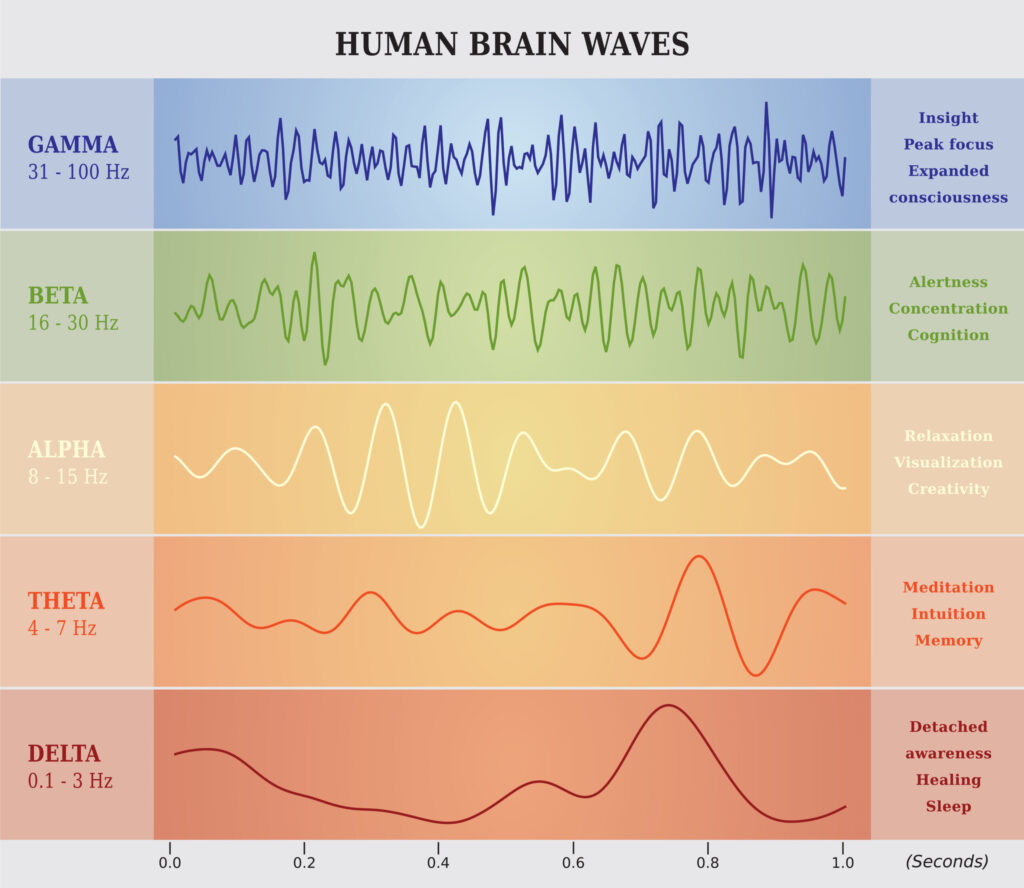
In this calm, relaxed state, the mind clearly changes. We’ve been able to demonstrate this with EEG brain mapping, showing different frequencies of brainwaves that tell us we’re in an altered state of consciousness – which simply means what it says: conscious but altered, not the common waking state that usually has more racing thoughts.
I like to compare this to childhood. Kids below age 12 are usually in this brainwave state naturally – in theta and alpha states versus the beta state that dominates adult consciousness. This is partly why children are so imaginative, absorb information like sponges, and form deep beliefs so easily.
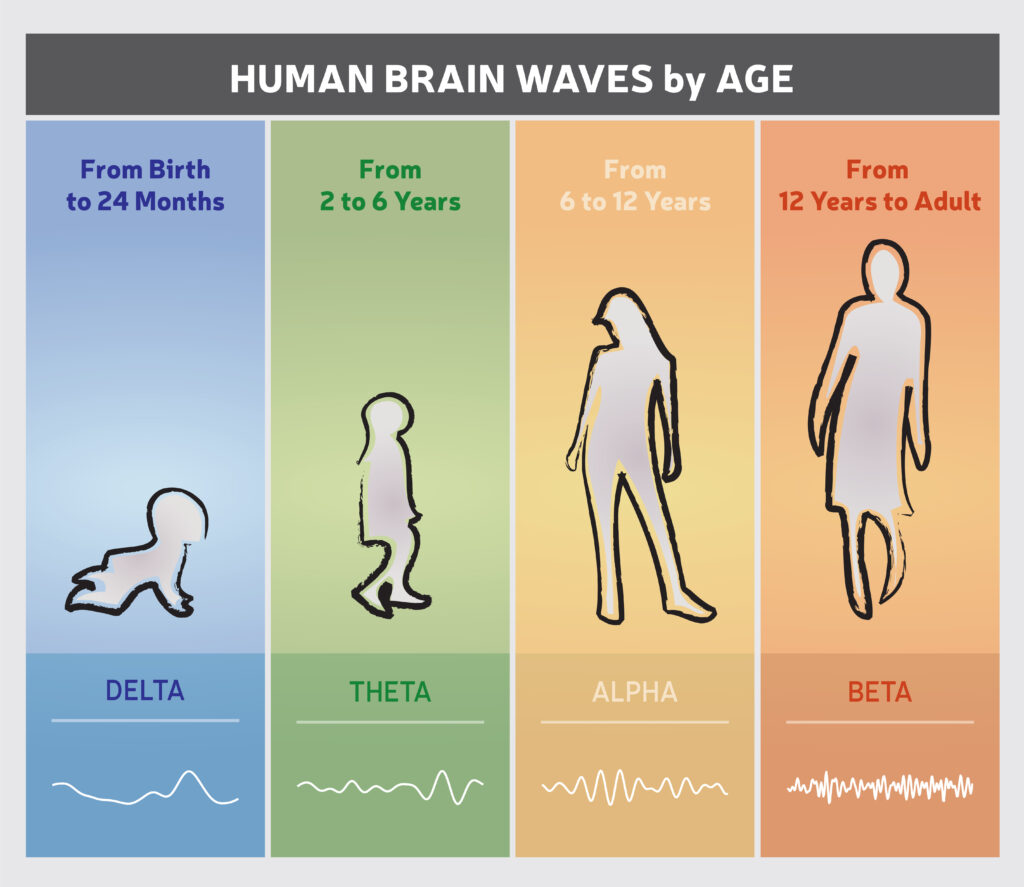
In this receptive state, outdated beliefs can be replaced with healthier, more accurate ones. Because the subconscious is the part of you that truly drives behavior, this process often leads to faster and more lasting results than using logic or willpower alone.
What Can Clinical Hypnotherapy Treat?
Clinical hypnotherapy can support a wide range of emotional, behavioral, physical, and confidence-related challenges.
Emotional & Self-Identity Work
Clinical hypnotherapy for self-doubt is particularly powerful, along with addressing:
- Low self-esteem
- Imposter syndrome
- Negative self-talk
- People-pleasing patterns
- Perfectionism
Stress & Emotional Regulation
- Anxiety disorders
- Emotional overwhelm
- Feeling “stuck” in repeating patterns
- Panic attacks
Behavioral Patterns
- Procrastination
- Unwanted habits
- Fear-based avoidance
- Motivation issues
- Smoking cessation
- Weight management
Physical & Medical Applications
- Chronic pain management
- Overcoming phobias and fears
- Public speaking anxiety
- Medical or test-taking anxiety
- Irritable bowel syndrome (IBS)
- Fibromyalgia
- Autoimmune conditions
- Skin disorders
- Pre-surgical preparation
- Post-surgical recovery
Subconscious Healing
Hypnotherapy is especially helpful for deeper subconscious healing involving:
- Childhood programming
- Unresolved emotional experiences
- Limiting beliefs developed early in life
- Trauma processing
- Inner child work
The power of belief is incredibly strong, like the placebo effect. Think about it: someone can heal simply because they believe they can, even though they received a sugar pill. This is also the way hypnosis works – on the belief systems we have which are so ingrained in us that we don’t even see them operating in the background. This whole existence is a belief on something.
Is Clinical Hypnotherapy Scientifically Proven?
Yes. The scientific evidence supporting clinical hypnotherapy has grown substantially over the past two decades.
Research Evidence
Over the past 20 years, the field of clinical hypnosis has seen significant improvement in scientific rigor, with new research expanding to include randomized control trials and meta-analyses. A systematic review of meta-analyses highlighted the safety and efficacy of hypnosis within medicine, finding robust evidence for using hypnosis to reduce pain, emotional distress, duration of medical interventions, medication use, and symptoms related to irritable bowel syndrome.
Research provides compelling evidence that hypnosis is an efficacious treatment for state anxiety (such as before tests, surgery, and medical procedures) and anxiety-related disorders, including tension headaches, migraines, and irritable bowel syndrome.
Studies show that under hypnosis, activity can decrease in brain regions associated with pain processing, resulting in reduced awareness of pain and discomfort.
A recent meta-analysis found that medical hypnosis for acute pain decreased pain by 0.54 standard deviations compared to standard care, and the effect was medium and statistically significant. Additionally, the use of hypnosis has been shown to enhance post-operative recovery, shorten hospital stays, and reduce the use of opioid and non-opioid medications.
Clinical Applications
Clinical hypnotherapy is widely used in healthcare settings, including:
- Hospitals
- Mental health clinics
- Pain management centers
- Behavioral therapy practices
- Dental offices
- Surgical preparation programs
It is considered safe, non-invasive, and effective when practiced by a trained professional.
Limitations in Research
While the evidence for clinical hypnotherapy is growing, it’s important to understand the limitations in scientific research:
Individual Variability: People have different levels of hypnotic susceptibility. Some individuals enter trance states more easily than others, which can affect treatment outcomes. Recent research suggests genetic underpinnings explain why some people are more hypnotizable than others, with a particular gene affecting dopamine metabolism in the brain.
Standardization Challenges: Unlike medication where dosage can be precisely controlled, hypnotherapy techniques vary between practitioners, making it difficult to compare studies directly.
Placebo Effects: Since hypnotherapy works partly through belief and expectation, separating specific hypnotic effects from general therapeutic relationship effects can be challenging.
Long-term Follow-up: Many studies focus on immediate or short-term effects. More research is needed on the long-term sustainability of hypnotherapy results.
Measurement Difficulties: Subjective experiences like pain, anxiety, and self-esteem are harder to measure objectively than, say, blood pressure or tumor size.
Despite these limitations, neuroscience research demonstrates that the hypnotic state measurably shifts brain activity, making the mind more receptive to suggestion and emotional integration. The growing body of evidence continues to validate clinical hypnotherapy as a legitimate, effective therapeutic approach.
How Many Sessions Do People Usually Need?
The number of sessions varies based on the issue and the depth of the subconscious patterns involved. However, many people notice meaningful shifts within:
- 1-3 sessions for targeted issues like specific fears, pre-surgical anxiety, or performance enhancement
- 3-6 sessions for self-esteem, self-doubt, and confidence work
- 6+ sessions for deeper subconscious healing, long-standing emotional patterns, or complex trauma
Hypnotherapy works efficiently because it goes directly to the root of the problem rather than addressing symptoms at the surface level. While traditional talk therapy might take months or years to create change, hypnotherapy can often produce results more quickly because it accesses the subconscious mind where the patterns actually live.
That said, everyone’s journey is unique. Some people experience profound shifts in a single session, while others benefit from ongoing work to address multiple layers of conditioning.
Clinical Hypnotherapy Benefits
When you engage in clinical hypnotherapy, you’re not just treating symptoms – you’re creating fundamental shifts in how your subconscious mind operates.
Commonly Experienced Benefits
- Increased confidence and self-worth: You start to believe in yourself at a deeper level
- Reduced self-doubt: The critical inner voice quiets down
- Calmer emotional responses: You react less and respond more thoughtfully
- Clearer boundaries: You know what you need and can communicate it
- Improved motivation and follow-through: Goals feel achievable rather than overwhelming
- Deeper self-understanding: You finally understand why you do what you do
- Freedom from old, limiting patterns: Behaviors that once felt automatic become choices
- Greater sense of possibility: Life opens up in ways you couldn’t imagine before
- Enhanced pain management: Physical discomfort becomes more manageable
- Better sleep quality: Your nervous system learns to relax more easily
- Improved stress resilience: Life’s challenges feel less overwhelming
The Lasting Change Factor
Many people describe the process as finally “feeling aligned” with the version of themselves they’ve always wanted to be. This isn’t about becoming someone new – it’s about removing the layers of conditioning, trauma, and limiting beliefs that have been covering up who you truly are.
The beauty of clinical hypnotherapy is that once you update the subconscious programming, the changes tend to stick. You’re not relying on willpower or constant conscious effort. Instead, your automatic responses, habits, and emotional patterns shift at the root level, making positive change feel natural and effortless.
Who Can Benefit from Clinical Hypnotherapy?
Almost anyone can benefit from clinical hypnotherapy, with a few important considerations:
Ideal Candidates
- People open to the process and willing to engage
- Those seeking alternatives or complements to medication
- Individuals ready to examine and change subconscious patterns
- Anyone dealing with stress, anxiety, or emotional challenges
- People with chronic pain or medical conditions
- Those seeking personal growth and self-improvement
Finding a Qualified Clinical Hypnotherapist
Since hypnotherapy is not universally regulated, it’s important to find a properly trained professional. Look for:
- Certification from recognized hypnotherapy organizations
- Clinical training (500+ hours for clinical hypnotherapy)
- Background in psychology, counseling, or healthcare
- Specialized training for your specific concern
- Good rapport – you should feel comfortable with your therapist
Many healthcare professionals, including psychologists, counselors, nurses, and physicians, incorporate hypnotherapy into their practice after receiving proper training.

Final Thoughts: The Power of Subconscious Transformation
Clinical hypnotherapy is not magic – it’s a science-backed method for creating change where it actually matters: in the subconscious mind. When you access the deeper beliefs and emotional patterns that have shaped your life, you unlock the ability to transform them.
Whether you’re working through self-doubt, emotional triggers, chronic pain, or long-standing habits, hypnotherapy can help you build lasting change from the inside out. It’s not about willpower or forcing yourself to be different. It’s about updating the underlying programming so that change feels natural, automatic, and aligned with who you truly are.
Your subconscious mind is incredibly powerful – it’s running about 95% of your life. The question is: are you going to let old programming from your past continue to run the show, or are you ready to consciously update it to support the life you want to create?
Clinical hypnotherapy offers you the tools to make that choice and to finally create the lasting change you’ve been seeking.
Ready to explore how clinical hypnotherapy can help you? Start by finding a qualified clinical hypnotherapist in your area and schedule a consultation to discuss your specific goals and concerns.